
Read this post in
 Arabic
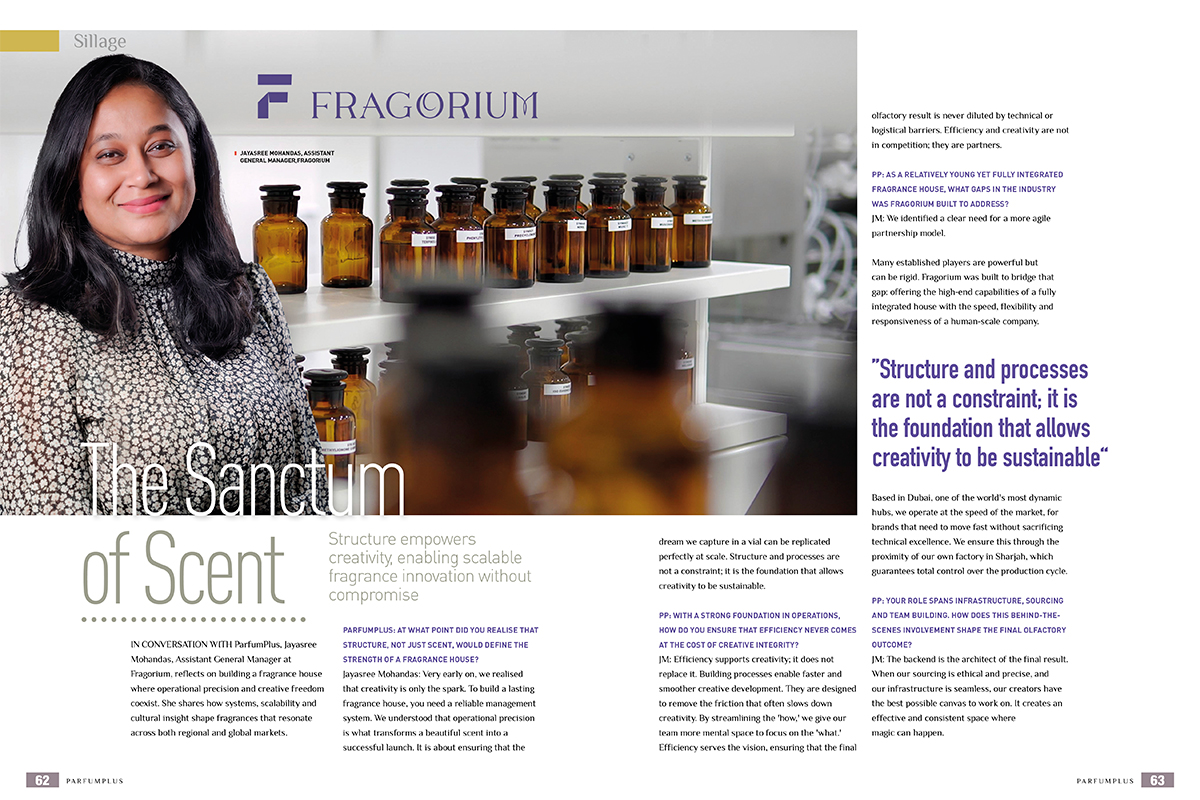
Fragorium: The Sanctum of Scent
Structure empowers creativity, enabling scalable fragrance innovation without compromise
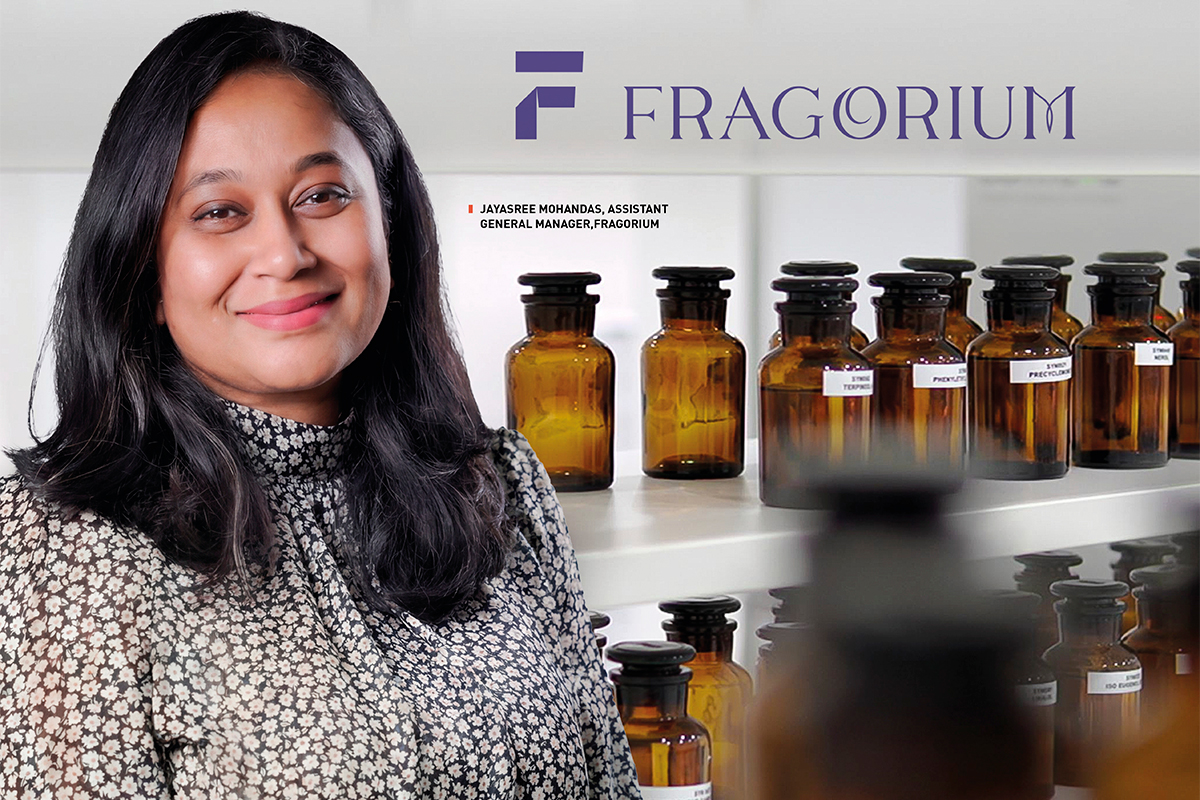
In conversation with ParfumPlus, Jayasree Mohandas, Assistant General Manager at Fragorium, reflects on building a fragrance house where operational precision and creative freedom coexist. She shares how systems, scalability and cultural insight shape fragrances that resonate across both regional and global markets.
ParfumPlus: At what point did you realise that structure, not just scent, would define the strength of a fragrance house?
Jayasree Mohandas: Very early on, we realised that creativity is only the spark. To build a lasting fragrance house, you need a reliable management system. We understood that operational precision is what transforms a beautiful scent into a successful launch. It is about ensuring that the dream we capture in a vial can be replicated perfectly at scale. Structure and processes are not a constraint; it is the foundation that allows creativity to be sustainable.
PP: With a strong foundation in operations, how do you ensure that efficiency never comes at the cost of creative integrity?
JM: Efficiency supports creativity; it does not replace it. Building processes enable faster and smoother creative development. They are designed to remove the friction that often slows down creativity. By streamlining the ‘how,’ we give our team more mental space to focus on the ‘what.’ Efficiency serves the vision, ensuring that the final olfactory result is never diluted by technical or logistical barriers. Efficiency and creativity are not in competition; they are partners.
PP: As a relatively young yet fully integrated fragrance house, what gaps in the industry was Fragorium built to address?
JM: We identified a clear need for a more agile partnership model.
Many established players are powerful but can be rigid. Fragorium was built to bridge that gap: offering the high-end capabilities of a fully integrated house with the speed, flexibility and responsiveness of a human-scale company.
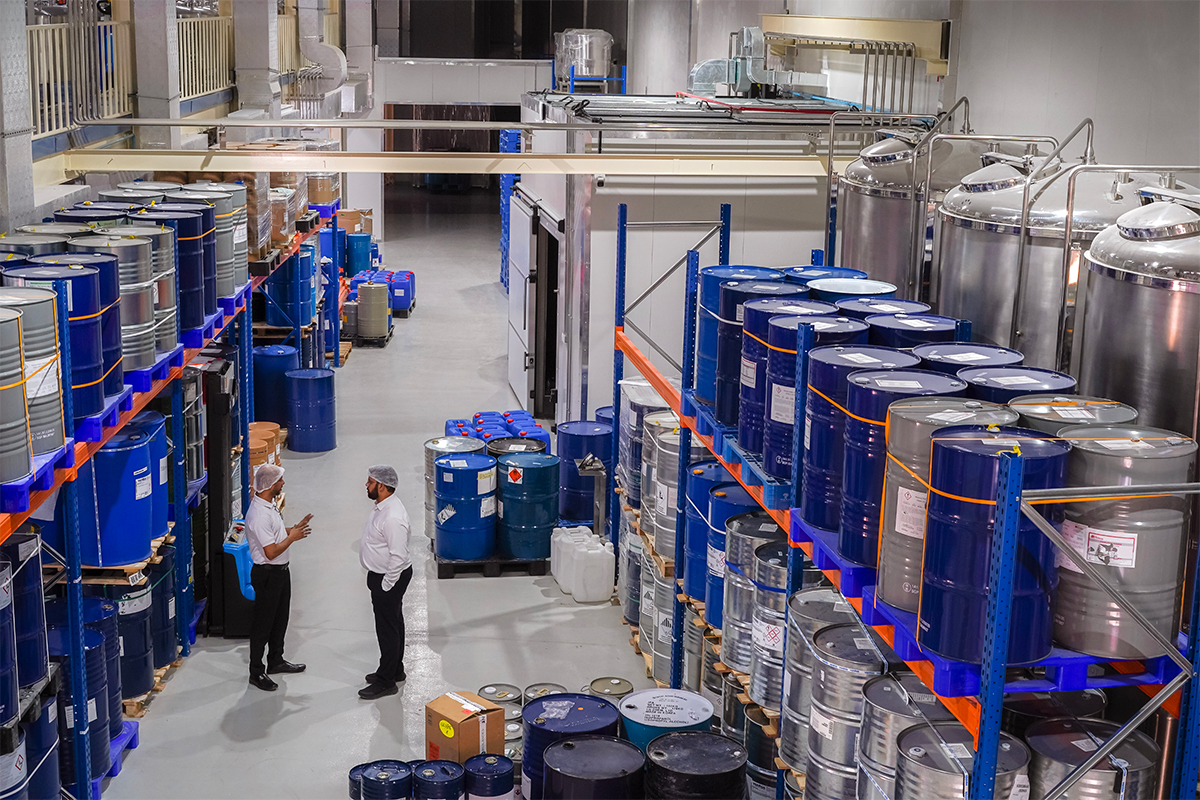
Based in Dubai, one of the world’s most dynamic hubs, we operate at the speed of the market, for brands that need to move fast without sacrificing technical excellence. We ensure this through the proximity of our own factory in Sharjah, which guarantees total control over the production cycle.
PP: Your role spans infrastructure, sourcing and team building. How does this behind-the-scenes involvement shape the final olfactory outcome?
JM: The backend is the architect of the final result. When our sourcing is ethical and precise, and our infrastructure is seamless, our creators have the best possible canvas to work on. It creates an effective and consistent space where magic can happen.
We keep firmly in mind that every decision made behind the scenes, from the calibration of our lab equipment to the talent we hire, directly impacts the final fragrance that ends up in the bottle.
PP: In a market that often celebrates the finished fragrance, how important is it to highlight the invisible systems that make consistency and scale possible?
JM: The invisible systems are guarantors of trust. We are witnessing a real shift in the industry: the invisible is becoming visible. More and more brands are not only celebrating the finished product.
They are also highlighting the bridge between the lab and the bottle, showcasing composition houses’ ingredient palettes, ingredient traceability, and even featuring perfumers’ names on the packaging itself.
This shift is largely driven by consumers who today crave transparency; they are far more educated in perfumery, thanks in part to the rise of global communities on social media, such as #PerfumeTok or #Scentoftheday hashtags.
At Fragorium, we believe that highlighting our internal systems is part of this transparency movement. While the scent is the star, our systems are the directors of the performance. Mastering the backend means our partners can focus entirely on their brand identity, confident that the quality and integrity of their vision will be preserved at every scale.
PP: Fragorium supports both regional and international markets. How do you balance cultural specificity with the need for global relevance in scent creation?
JM: It is a balance of listening before creating. Our strength lies in personalisation and cultural empathy. Whether a project requires a deep Middle Eastern soul or global appeal, we act as a bridge, translating a brand’s DNA into a scent that resonates with its audience. To support this global vision, we are expanding with new subsidiaries in France and India, allowing us to capture local nuances at the source.
The key is staying true to the brand’s heritage. We have moved beyond superficial storytelling into ‘storyproving’, where we are committed to delivering both meaningful fragrances and marketing. This means listening to the ‘wild desires’ of consumers and integrating their insights throughout the entire process, not just at the start. It is about creating surprise while preserving familiarity and comfort.
PP: Growth often tests internal capabilities. What has been the most defining challenge in scaling Fragorium, and how did it reshape your approach?
JM: The main challenge has been building the right structure in real-time while growing, ensuring that our processes move as fast as our ambitions to provide a stable foundation for creativity.
It requires a balance between speed and control, so that our systems evolve at the same pace as the business. Scaling is not just about getting bigger; it is about maturing our systems to remain synchronised as we expand.
 PP: The Middle Eastern fragrance industry is evolving rapidly. From your perspective, what shifts are defining its next phase?
JM: The Middle Eastern fragrance industry is no longer just following global trends; it is setting them. We are witnessing a fundamental shift where this region is redefining global perfumery. It is one of the fastest-growing markets, expanding three to four times faster than Europe or the US, but this is not just about volume; it is about culture. In this region, fragrance is a ritual, a language, and a way of life.
We see this influence everywhere: global Western brands are drawing inspiration from Middle Eastern accords and adopting rituals such as layering.
The digital impact is clear, with ‘Arabian perfumes’ seeing a +85% rise in their popularity index. The next phase is about the global scalability of Middle Eastern brands.
We are moving into an era where regional players are no longer local secrets but are also becoming global powerhouses, driven by trends and digital communities. This global fascination means that our expertise in the Dubai market is not only regional; it is becoming a central part of the global industry’s future.
PP: As someone deeply involved in building processes from the ground up, what does leadership mean to you in a creative-manufacturing environment?
JM: For me, leadership is about empowerment through organisation. It is about building the right ecosystem so our team can shine and perform at their best.
It is more about enabling than controlling. My goal is to provide the stability and the tools that allow our collaborators to be effective, innovative and daring.
PP: What message would you like to share with ParfumPlus readers?
JM: Fragorium is a strategic partner. We provide the agility and the systems that allow creativity to scale without limits. We are here to prove that with the right foundation, a vision born in Dubai can resonate everywhere in the world.
Read this post in
Arabic