
Read this post in
 Arabic

Düllberg Konzentra: South Africa Through Rebecca’s Senses
Rebecca Kirchmeier on Düllberg Konzentra’s South African journey through art, scent and nature
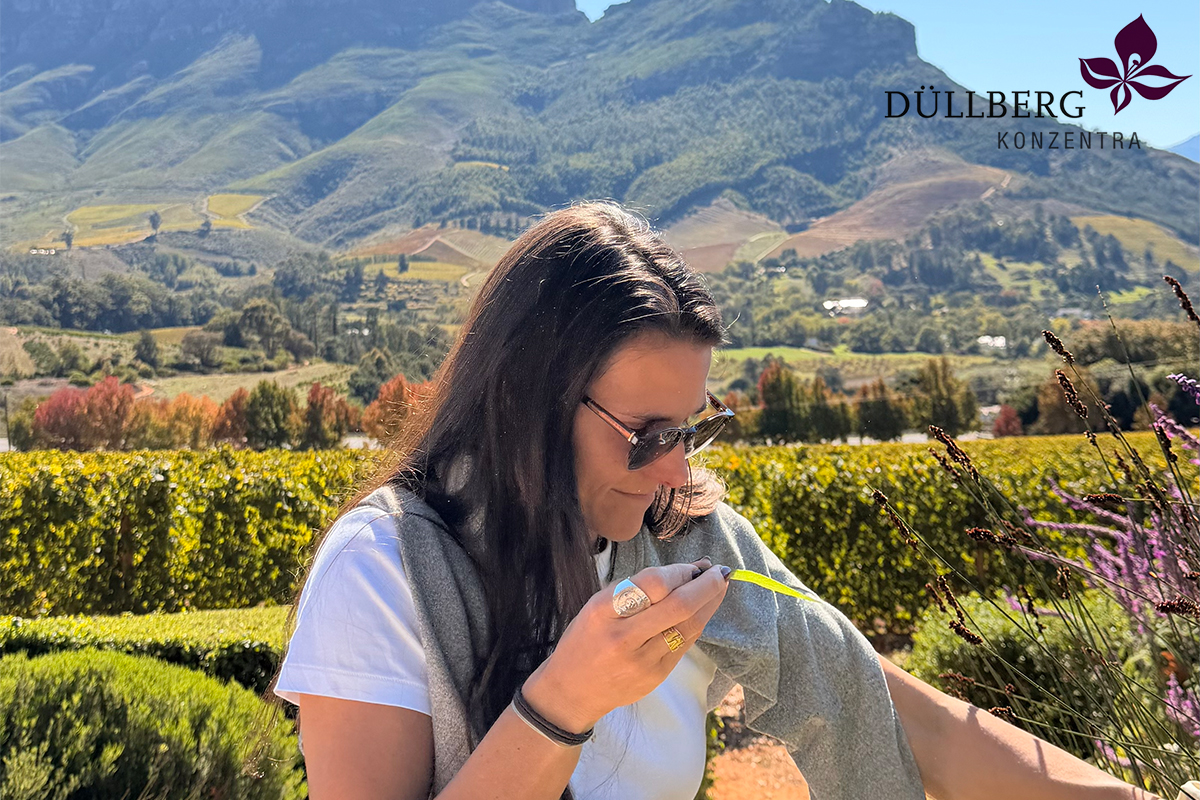 From the moment I arrived in South Africa with Düllberg Konzentra, the journey felt deeply sensory. Across Johannesburg and Cape Town, we created two experiences that explored fragrance through art, wine, landscape and conversation. What stayed with me most was seeing how naturally people connected scent to memory, emotion and place.
 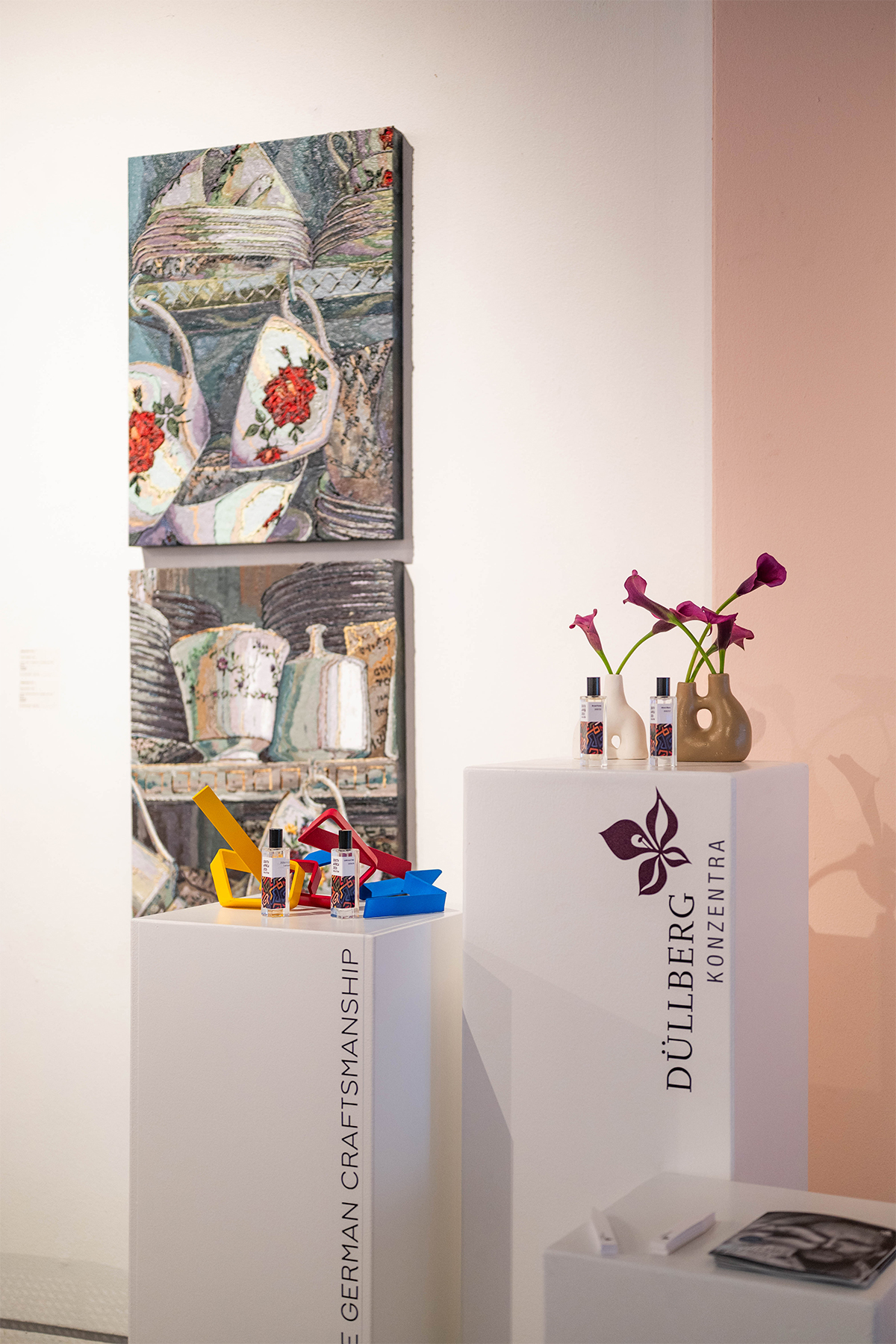 Sip by Art: Johannesburg
Düllberg Konzentra’s first South Africa launching event took place at CIRCA Gallery in Johannesburg during the exhibition Words, Words, Words, a group show exploring language and materiality through sculpture, printmaking and conceptual art.
The gallery immediately set the tone. Its dramatic yet calm atmosphere created the perfect environment to introduce fragrance as part of the artistic experience rather than something separate from it.
Throughout the day, I guided guests through a series of smelling sessions inspired by the artworks surrounding us. Instead of focusing only on ingredients, we spoke about texture, atmosphere and emotion, and how a scent could reflect the feeling of an artwork rather than simply describe it.
One of the artists’ works that stayed with me most was by Barbara Wildenboer. Her work drew heavily from raw, natural materials, paper, linen, and tactile surface. Her work inspired a fragrance built around airy cotton notes, soft florals and clean warmth.
“When I looked at the piece, I imagined movement and softness,” I explained during the session. “I wanted the fragrance to feel light and calm but still emotional.”
Other work carried a completely different energy. Jenna Burchell’s sculptural pieces, with their combination of wood, metal and industrial textures, inspired darker compositions built around cedarwood, saffron, leather, patchouli and moss.
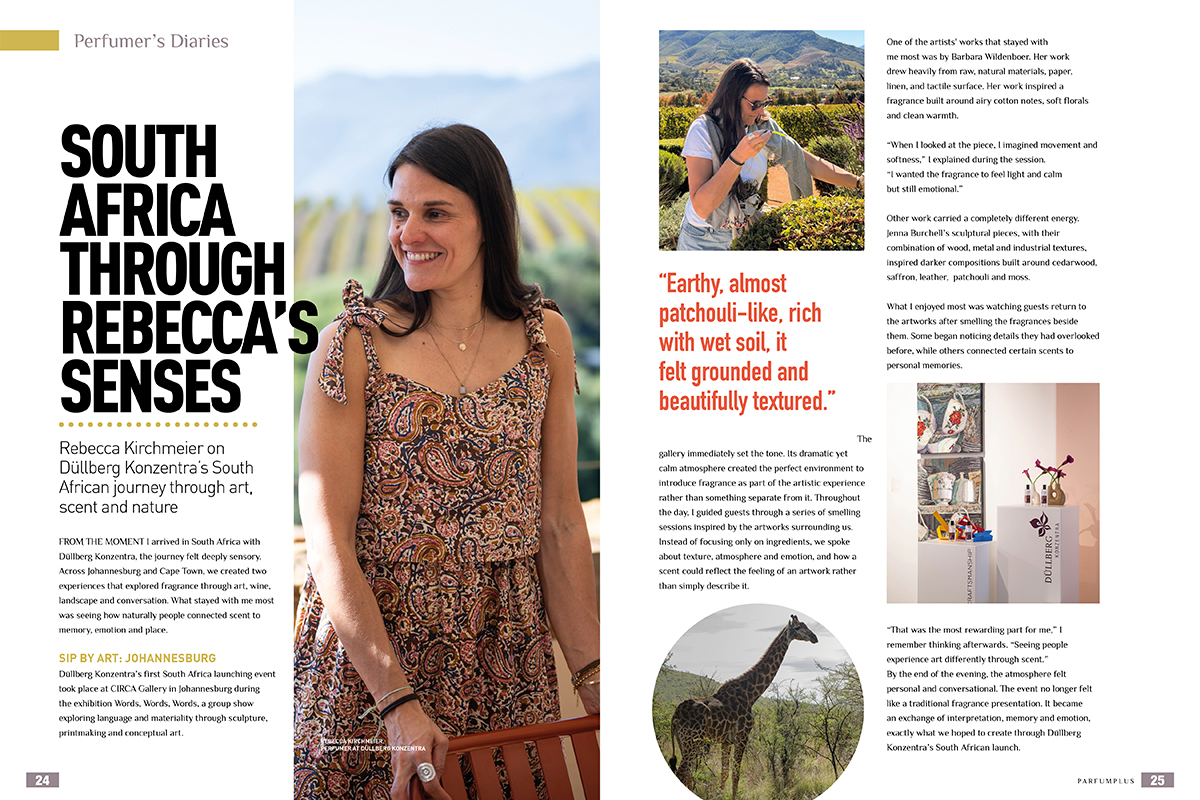
What I enjoyed most was watching guests return to the artworks after smelling the fragrances beside them. Some began noticing details they had overlooked before, while others connected certain scents to personal memories.
“That was the most rewarding part for me,” I remember thinking afterwards. “Seeing people experience art differently through scent.”
By the end of the evening, the atmosphere felt personal and conversational. The event no longer felt like a traditional fragrance presentation. It became an exchange of interpretation, memory and emotion, exactly what we hoped to create through Düllberg Konzentra’s South African launch.
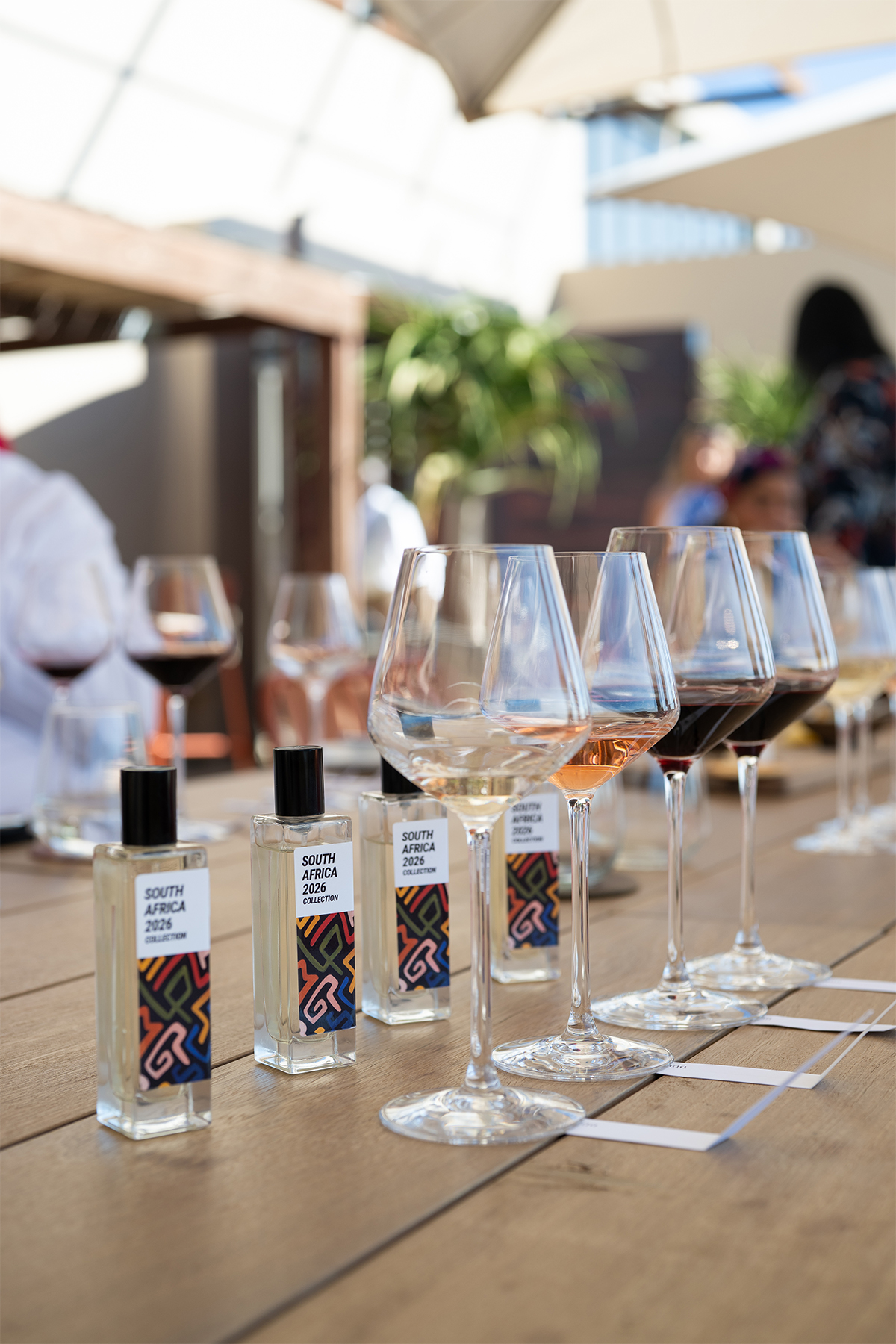 Sip by Scent: Cape Town
After Johannesburg, Düllberg Konzentra hosted another event in Cape Town,
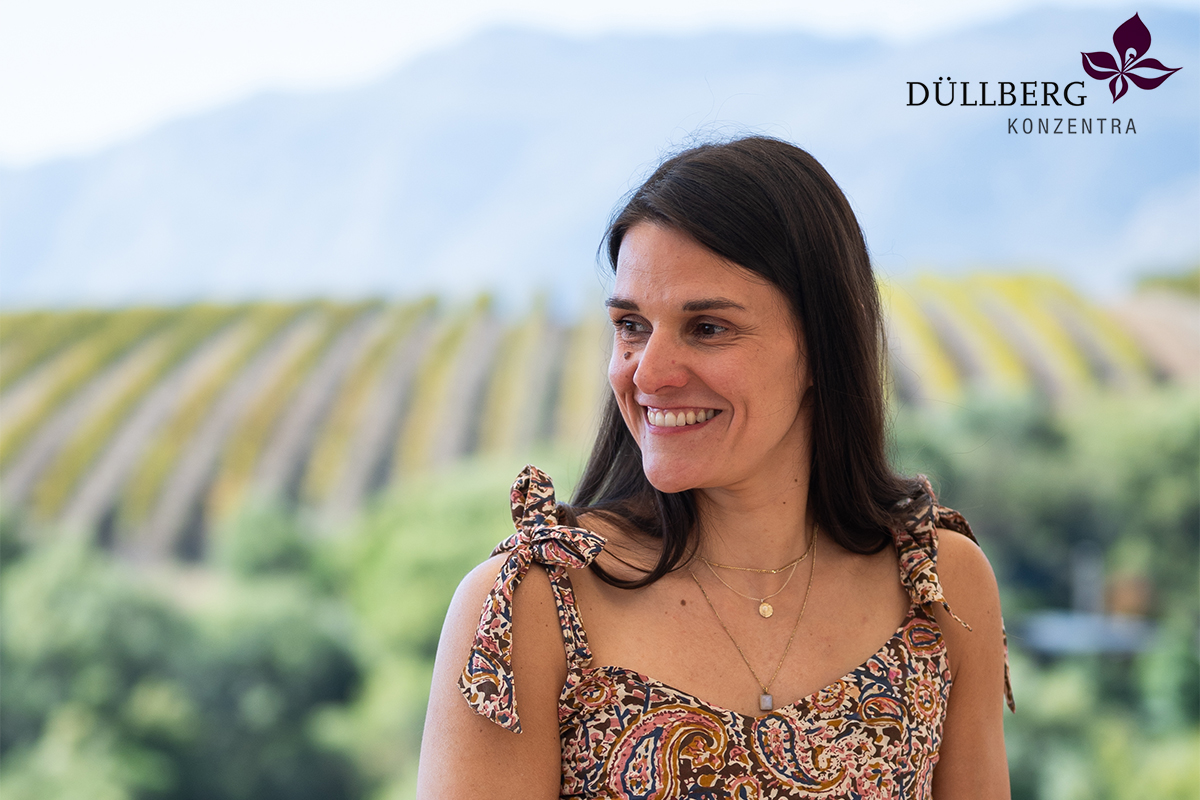
The setting could not have been more beautiful, vineyards stretching across the landscape, mountain views in the distance and warm golden light settling over the estate.
While the Johannesburg event explored the relationship between scent and visual art, Cape Town focused on the connection between fragrance and winemaking.
Together with the sommeliers, we created a pairing experience where five wines were matched with five fragrances. Guests moved between tasting and smelling, discovering how closely flavour and scent mirror one another.
One pairing was inspired by a sparkling Sauvignon Blanc. The fragrance opened with bright citrus and tropical fruit notes before softening into warmer woody tones built around tonka bean and oakwood.
“What fascinates me is how naturally perfume and wine speak the same language,” I explained during the event. “Both evolve over time. Both are about balance, structure and memory.”
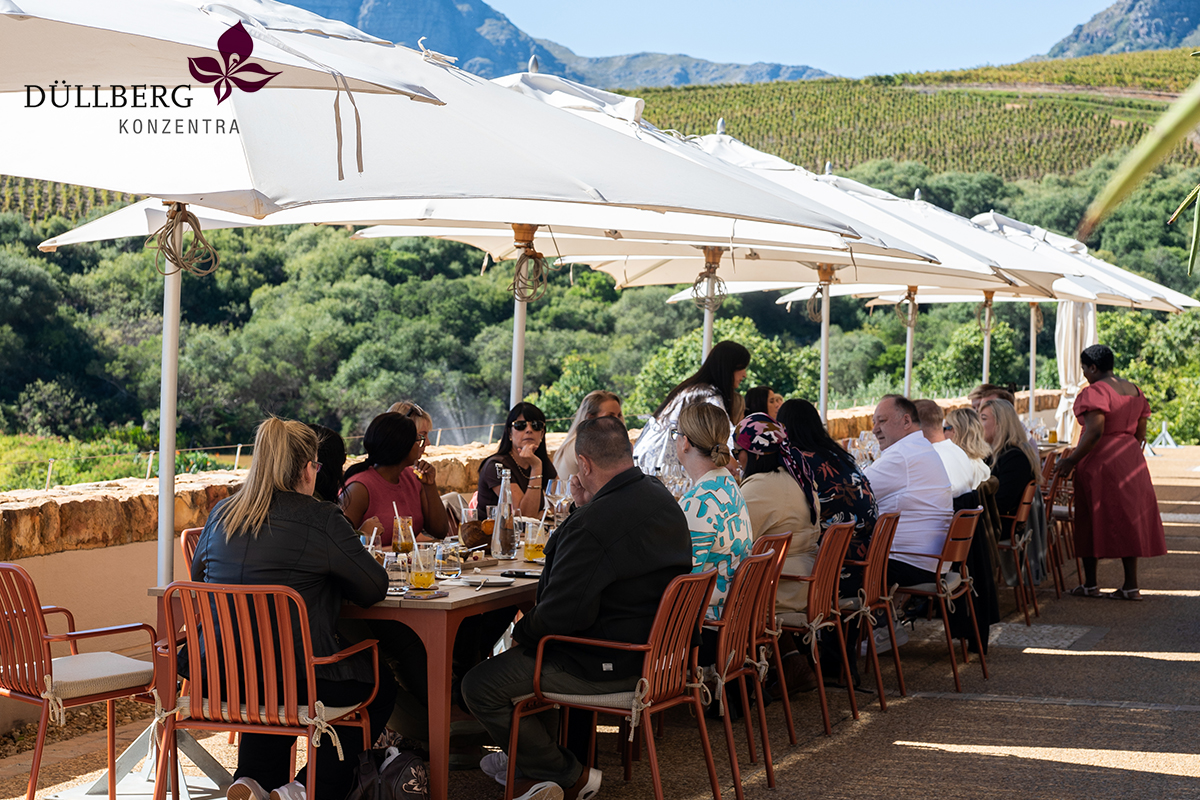 As the afternoon continued, guests compared impressions, revisited fragrances and became increasingly immersed in the experience.
What I loved most was how informal and open everything felt. Guests weren’t afraid to ask questions or share personal reactions. Some spoke about the memories the fragrances brought back, while others became fascinated by how differently they experienced a scent after tasting the wine paired with it.
As the sun set across the vineyards, conversations continued long after the official pairings ended. It felt less like an event and more like people genuinely enjoying a shared sensory experience together.
For me, that captured the spirit of Sip by Scent perfectly.
 South Africa Through My Eyes
Beyond the events themselves, South Africa became a huge source of inspiration during the trip.
Johannesburg had its own scent identity, rain, greenery, warm earth, wood and the freshness that comes from the city’s elevated landscape. Walking through local artisan spaces and markets, I noticed natural carved woods, oils, fabrics and handcrafted materials that carried their own character.
Cape Town felt completely different.
The contrast between the mountains and the ocean creates a constantly shifting atmosphere. One moment, the air carries notes of dry vegetation and sun-warmed stone; the next, it’s infused with salty sea breeze and fresh coastal greenery.
“The diversity is incredible,” I kept thinking throughout the trip. “Everything changes from one place to another.”
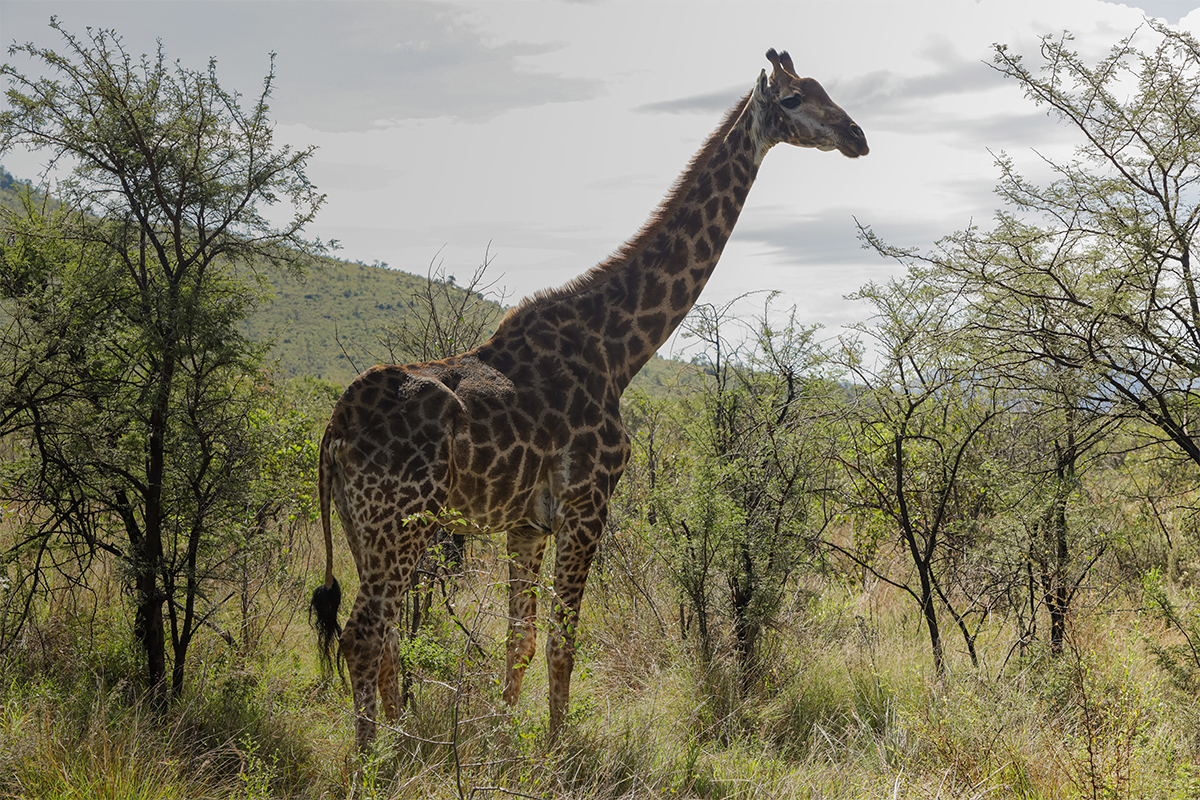
One of the most unforgettable experiences came during a safari, where I experienced South Africa’s wild landscape up close. The air carried dry grass, warm soil, subtle animalic notes and the scent of sun-heated earth.
Near Boulders Beach, I also encountered African penguins for the first time. Most people focus on the visual experience but I immediately noticed their scent.
“It was sharp, salty, animalic and surprisingly creamy at the same time, completely unexpected but fascinating.”
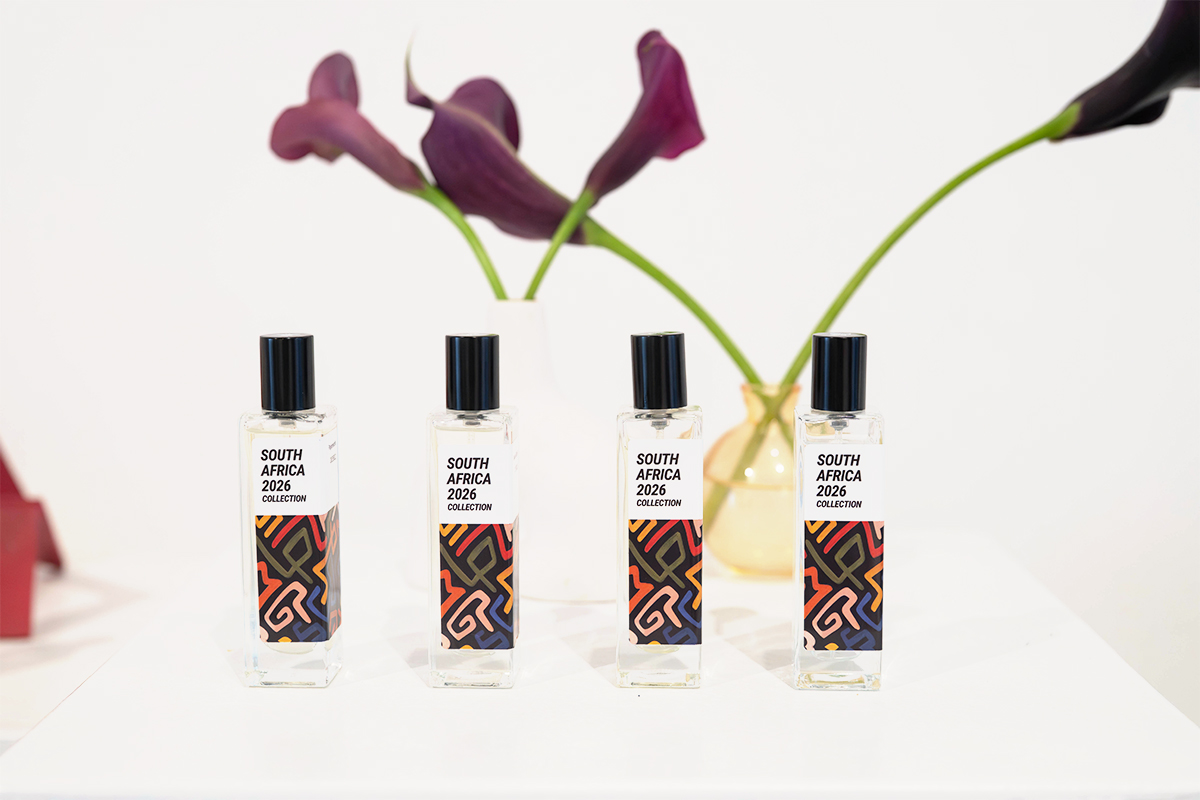 Experiences like these always remind me that inspiration in perfumery doesn’t come only from ingredients or laboratories. It comes from places, textures, conversations, memories and moments you don’t plan for.
Through Sip by Art and Sip by Scent, Düllberg Konzentra explored how fragrance can move beyond the bottle and connect naturally with art, wine, landscape and memory.
Read this post in
Arabic