Global ingredient houses, viral Gulf brands and Western investment are all converging in Dubai – and this October, Beautyworld Dubai is where the industry gathers to decide what the world will wear next.
When IFF opened a creative centre in Dubai, and Takasago moved to follow with its own in 2026, the decisions were read across the industry as more than expansion. Global ingredient houses – the companies whose compounds sit inside the world’s most famous perfumes – rarely move creative capability toward markets they consider peripheral. They move it toward the ones setting the pace. For an industry long narrated from Paris, the geography is shifting, and the incumbents are following it.
The numbers help explain why. The UAE’s fragrance market is forecast to grow from $0.91 billion in 2025 to $1.15 billion by 2030 according to Mordor Intelligence, but the more telling figure is outward. The UAE now ranks among the world’s ten largest exporters of finished perfume by value. This is not a market that imports taste. It sells it.What moved first was taste. Oud, musk, amber and the layering culture that has been second nature across the Gulf for generations are entering mainstream Western retail at pace, across every price tier. Lattafa’s Khamrah went viral and competed directly with prestige Western releases. The clearest proof, though, is what the European houses are now doing themselves. Dior’s Sauvage Extrait is the first extrait in the biggest men’s fragrance line in the world and the first to use oud. Creed’s Oud Zarian is built around an eighty-year-aged oud. These are not regional editions made for Gulf shelves. They are flagship launches sold globally, built on a material the industry once treated as too heavy to travel.
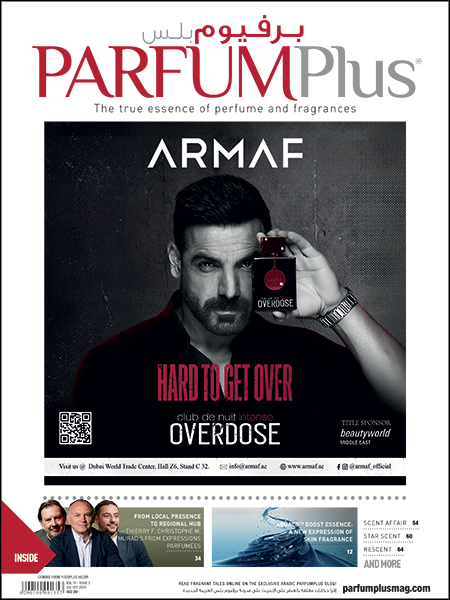
A generation of creators accelerated the rest. The viral review, theblind buy, and the layering tutorial turned niche perfumery from an insiders’ pursuit into a global discovery engine – and Gulf brands understood it early. Lattafa and Armaf have used influencer-driven campaigns to reach leading positions on TikTok Shop, selling directly to consumers in markets their founders once had to court through distributors.
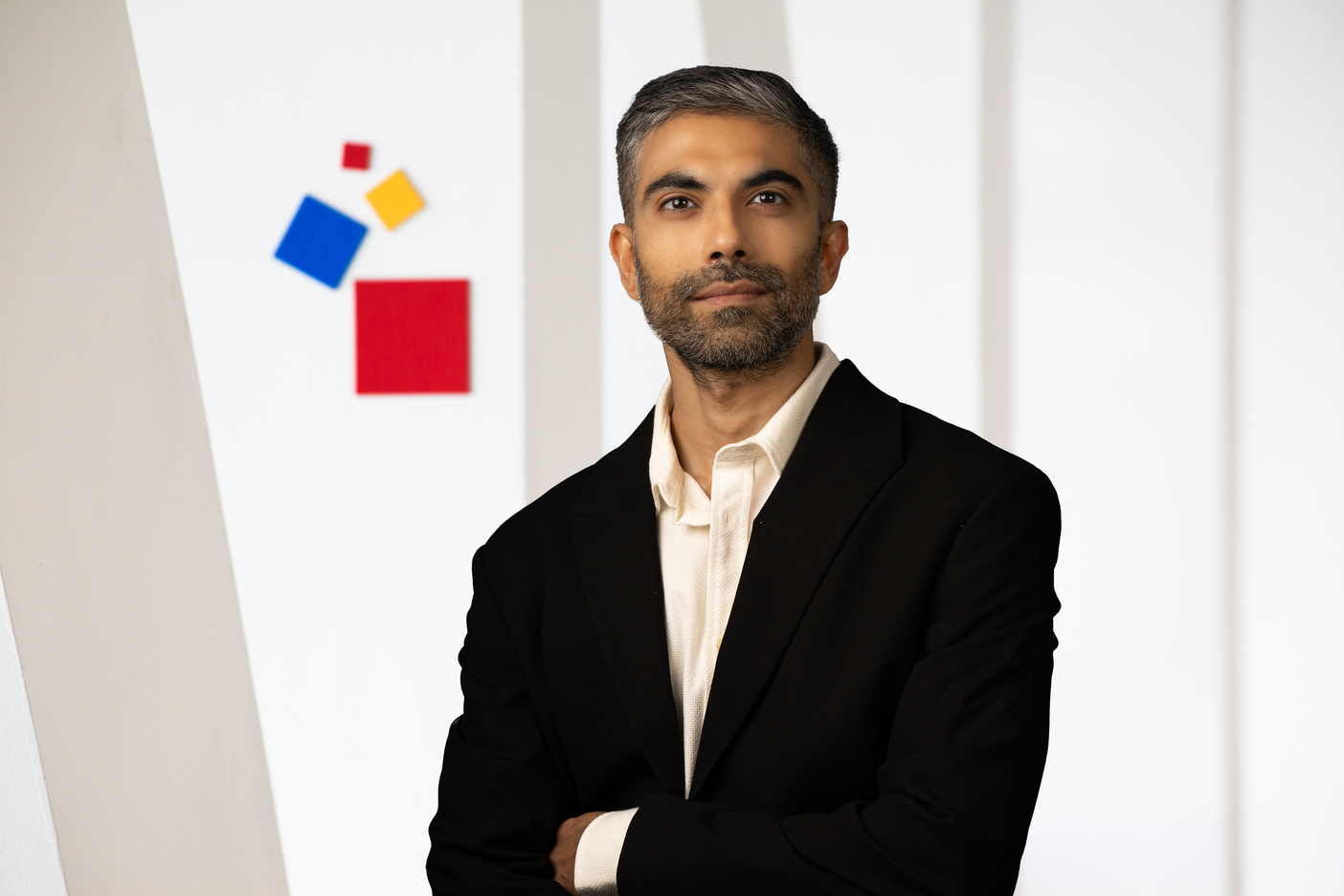
Dr. Ali Asgar Fakhruddin, Chairman, Sterling Parfums
“For Sterling Perfumes, this shift is something we’ve seen coming for a long time. We were among the first to enter the global conversation around beauty and personal care. Over the years, we have evolved and expanded across beauty, personal care and colour cosmetics, moving beyond fragrance,” said Dr. Ali Asgar
None of it would matter without the infrastructure to carry it. Dubai sits within a short flight of Asia, Africa and Europe, and has built itself into the business capital connecting commerce and capital across all three. That location now anchors an entire supply chain rather than a single link in it – with raw material sourcing, fragrance-house creation, contract filling and packaging, distribution and retail increasingly all run through the Gulf.
Fakhruddin, Chairman and CEO of Sterling Perfumes. “Today, with a presence in more than 140 countries, we are proud to be at the forefront of global trends that originate in the Gulf and reach audiences around the world. We have seen first-hand how ideas and consumer trends that begin in the region can travel, evolve and find relevance across markets. For us, it is about more than taking products from the Gulf to the world; it is about bringing the voice, perspective and creativity of the region into the global beauty and personal care conversation. The Gulf isn’t just a market for beauty and personal care, it’s increasingly where the conversation starts. We’re not just part of the trend; we’re helping set it and shape the chatter that reaches audiences globally.”
The scale of the build shows in the numbers. The wider regional fragrance market is forecast to grow from $6.8 billion in 2025 to more than $12 billion by 2032 according to IGTPS, outpacing the global industry. It is what a centre of gravity looks like once it settles. Not one famous address, but a full ecosystem in one place.
So where does that leave Paris? Central to creation, as it has always been, but no longer the sole capital. The traffic now runs both ways: even as Western houses open development hubs in Dubai, the West is buying into the Gulf’s own names. In 2025, L’Oréal, the world’s largest beauty group, took a minority stake in Oman’s Amouage, a house whose retail sales grew more than 60% year on year over the same period. Creation has become one node in a much wider network, and the industry increasingly needs somewhere it can see the whole of that network at once.
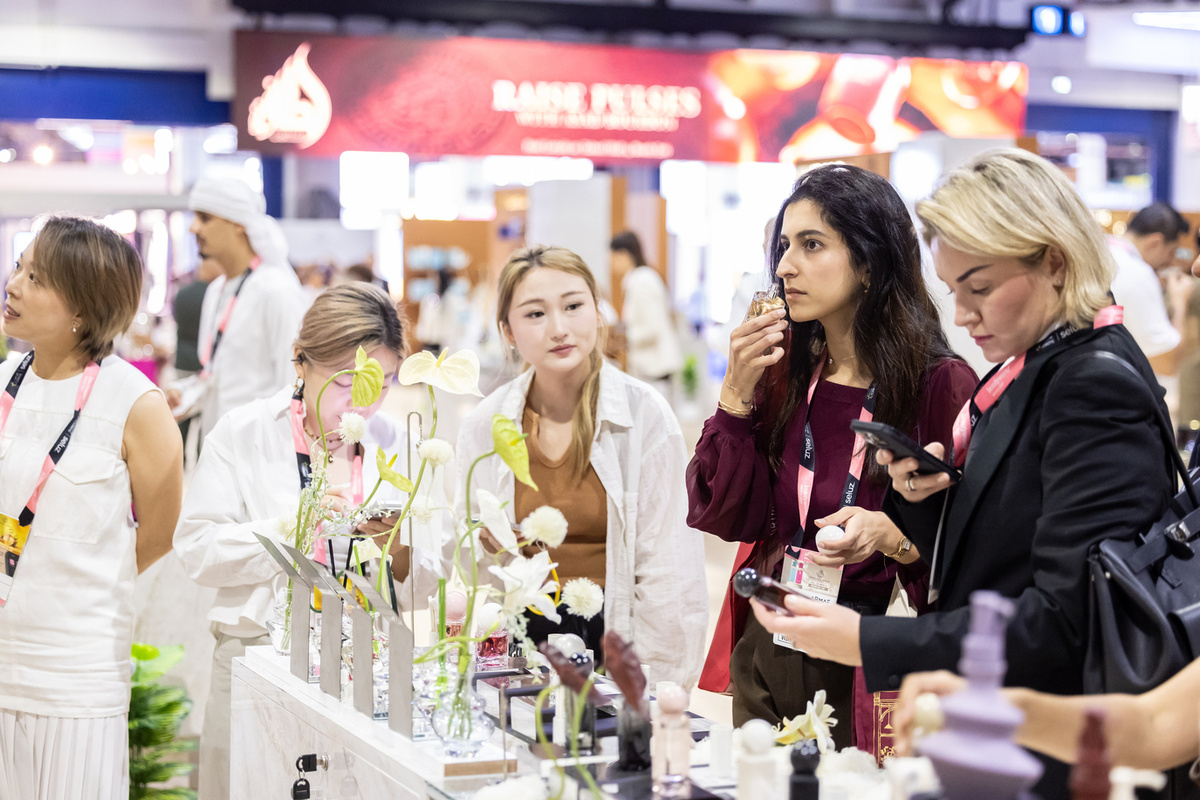
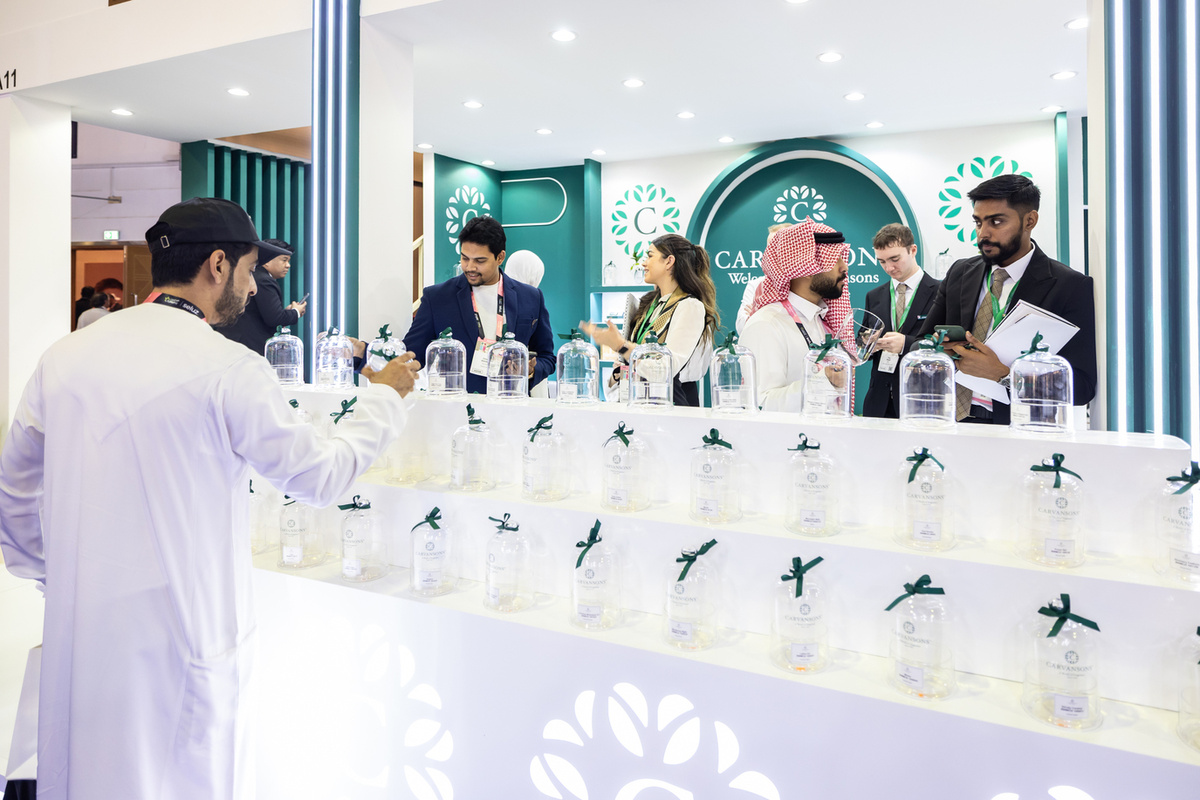
That convergence is what Beautyworld Dubai has watched build edition after edition. The show floor is where that shift becomes concrete. At the 2025 edition, a beauty team from Mercado Libre – one of Latin America’s major e-commerce platforms – arrived to explore the Gulf fragrance market and left having opened conversations with houses including Lattafa, Armaf, Afnan and Rasasi. Within months, several of those brands were live on the platform, selling to Latin American consumers who had no reliable route to them before.
“Those conversations were exactly what they needed to be at that stage, genuine, exploratory, built on mutual curiosity,” said Pilar Sabaj, Head of Beauty México at Mercado Libre. “Most concretely, the event directly contributed to us onboarding several new brands that are now live and selling to Latin American consumers. That is the clearest measure of success I can point to.”
Organised by Messe Frankfurt Middle East, the show returns for its 30th edition at Dubai World Trade Centre, from 6-8 October, as Dubai moves from regional gateway to a fixture the global beauty community plans its year around. In the same halls, ingredient houses – Givaudan, IFF, Symrise, Takasago, Mane – sit alongside the brands they partner with to bring new creations to the market, from Lattafa and Rasasi to Swiss Arabian and Armaf, and seven of the top ten Middle East fragrance exporters meet the international buyers who stock them. The compound, the bottle and the brand in one room – source to shelf under one roof.
Ravi Ramchandani, Event Director, Beautyworld Dubai
“What the market is telling us, we see on the show floor,” said Ravi Ramchandani, Event Director, Beautyworld Dubai. “A buyer flies in from Latin America, has four conversations over three days, and months later those brands are selling to consumers who had no route to them before. This is what this floor is for. The industry decided this region matters. Bringing the right buyers to the right brands and making sure those meetings actually happen.”
None of this means Dubai has displaced Paris – no single city could claim sole authority over an industry with such legacy or of this scale. The more useful truth is that fragrance has become genuinely polycentric; it has more than one capital, and a decisive share of the conversation about what the world will wear next season is now happening in the Gulf.
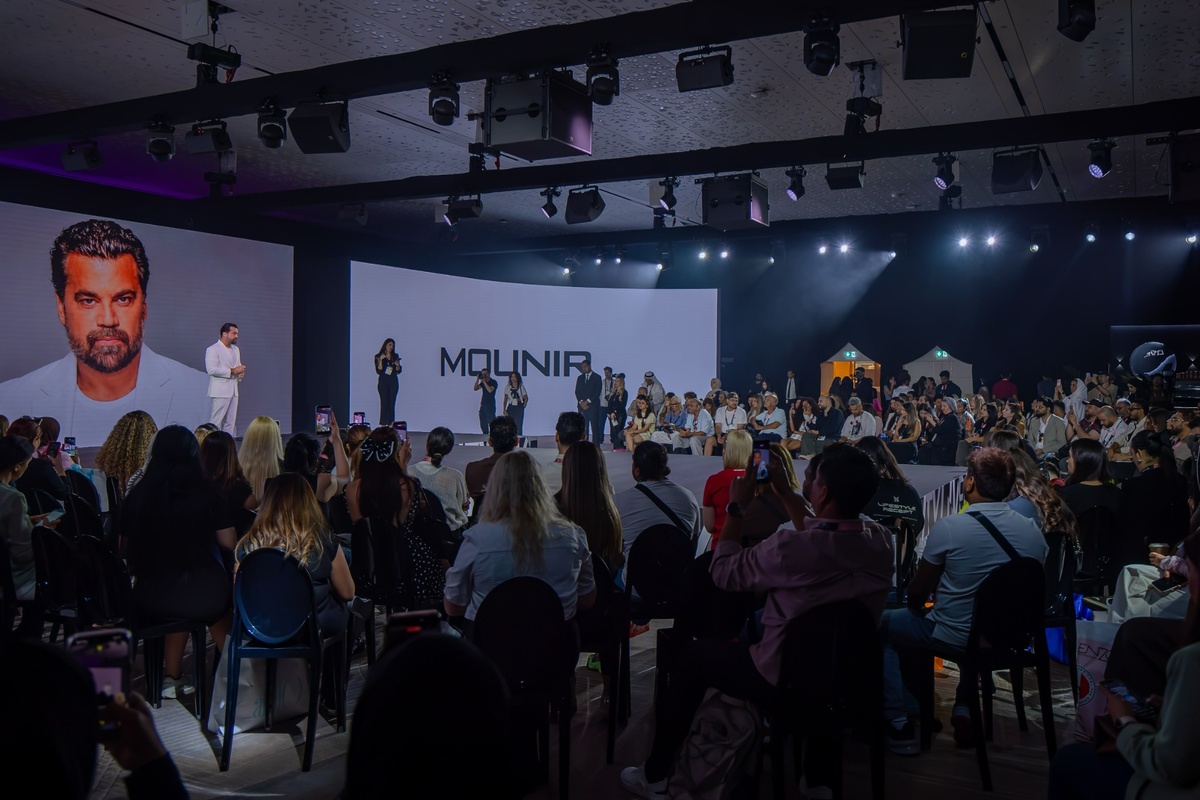
The second day of Beautyworld Dubai's milestone 30th edition placed fragrance firmly at the centre, as master perfumers, brand leaders and analysts took the...

 What moved first was taste. Oud, musk, amber and the layering culture that has been second nature across the Gulf for generations are entering mainstream Western retail at pace, across every price tier. Lattafa’s Khamrah went viral and competed directly with prestige Western releases. The clearest proof, though, is what the European houses are now doing themselves. Dior’s Sauvage Extrait is the first extrait in the biggest men’s fragrance line in the world and the first to use oud. Creed’s Oud Zarian is built around an eighty-year-aged oud. These are not regional editions made for Gulf shelves. They are flagship launches sold globally, built on a material the industry once treated as too heavy to travel.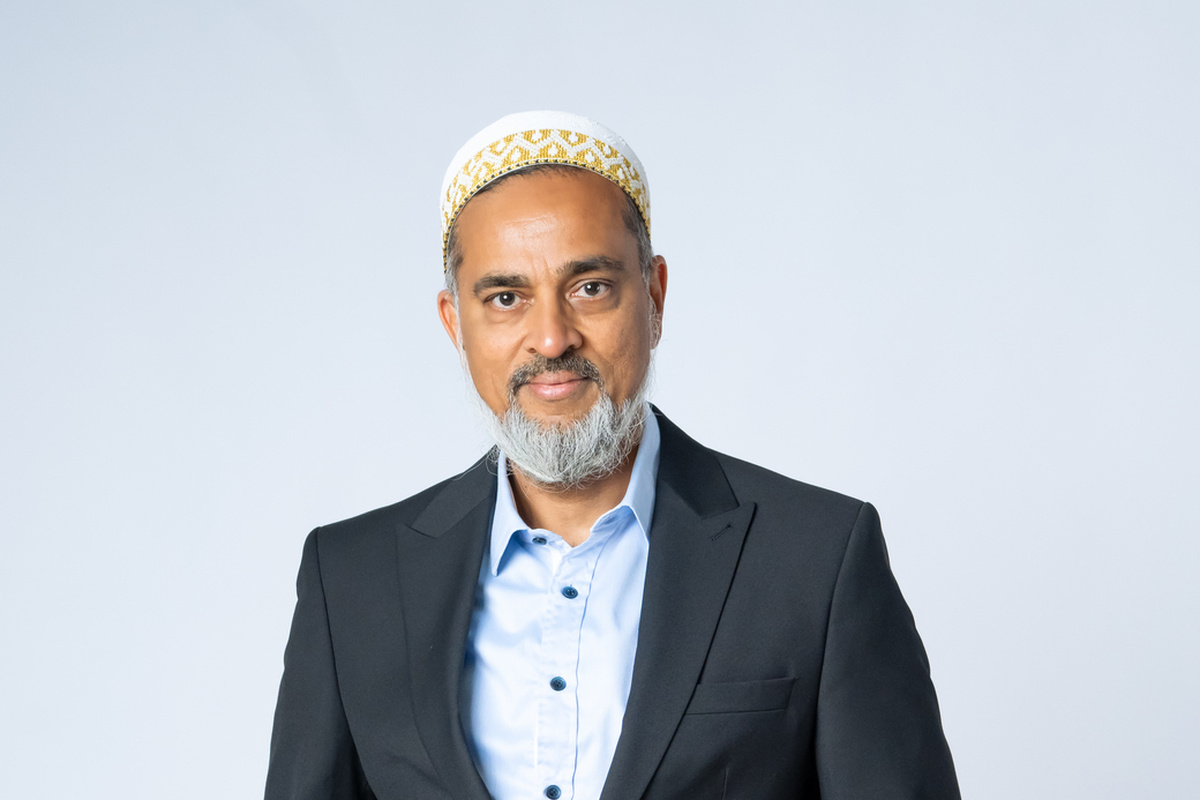



Add Comment