
Read this post in
 Arabic
Düllberg Konzentra: Niche Fragrances Evolving Beyond the Scent
Paris Perfume Week revealed the fragrance’s emotional, immersive and artistic evolution
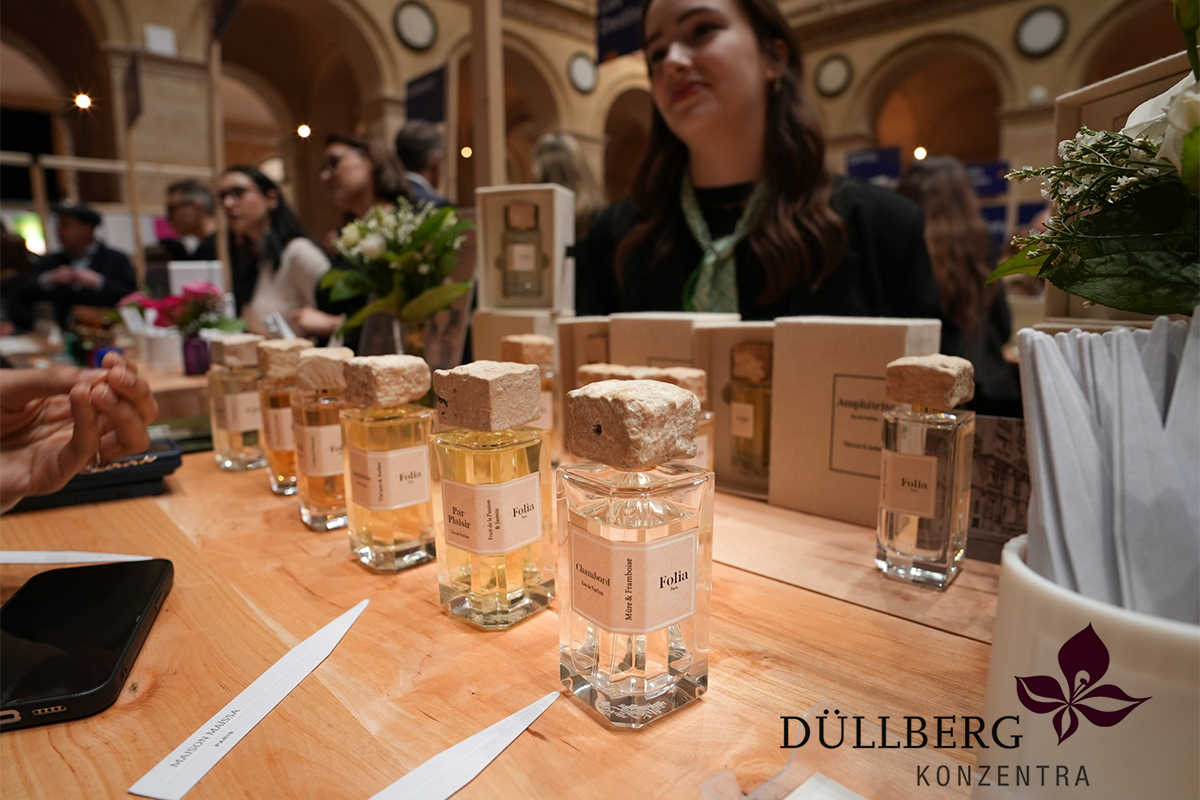
At Paris Perfume Week 2026, fragrance felt like far more than scent alone. Across the fair, perfume became a meeting point between smell, storytelling, design, ritual and emotion. Throughout the event, Düllberg Konzentra observed a growing movement toward soft skin-like compositions, collectable packaging and deeply narrative-driven brands. The industry is entering a new chapter where identity matters more than intensity and meaning becomes just as important as composition itself.
 Softness Takes Over
One of the strongest shifts visible throughout the event was the growing movement toward intimacy in scent. Fragrances are increasingly designed to sit closer to the skin, diffusing softly rather than projecting loudly. Creamy sandalwoods, airy musks, powdery textures, dry woods, warm amber nuances and tactile finishes dominated the olfactive landscape. Texture itself has become the new signature.
This evolution was especially visible in brands such as Élixir Privé, where compositions explored softness and texture with sophistication. Mango White stood out for its transition from tropical brightness into creamy rice accords layered with coconut woods and musk, creating a fragrance that felt comforting, elegant and quietly modern.
Meanwhile, Amouage demonstrated how gourmand perfumery continues to evolve beyond sweetness. Rum, cocoa, heliotrope, vanilla and spice were handled with restraint, proving edible-inspired scent profiles can remain rich without becoming overwhelming.
Stories in Scent
If scent defined the atmosphere of Paris Perfume Week, storytelling defined its soul. Many brands were not simply presenting perfumes, but building emotional universes around them. Every bottle, note, visual element and design detail became part of a larger narrative intended to create emotional connection.
Among the most compelling examples was Map of the Heart, whose sculptural heart-shaped flacons communicated far more than visual identity. The brand’s philosophy positions the heart as a map of human experience where desire, vulnerability, love and pain intersect, transforming fragrance into something deeply symbolic and personal.
Similarly, Free Yourself approached fragrance through emotional well-being and mindfulness, reflecting how perfume increasingly intersects with self-connection and personal ritual.
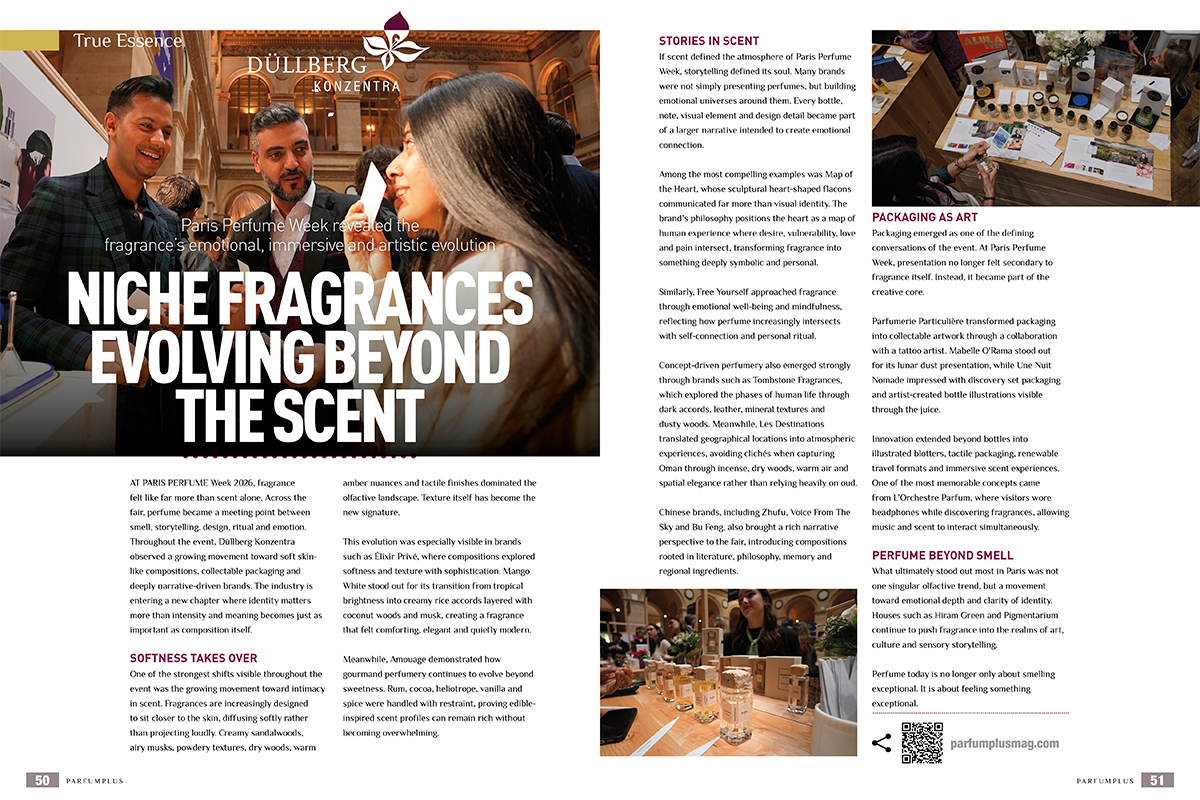
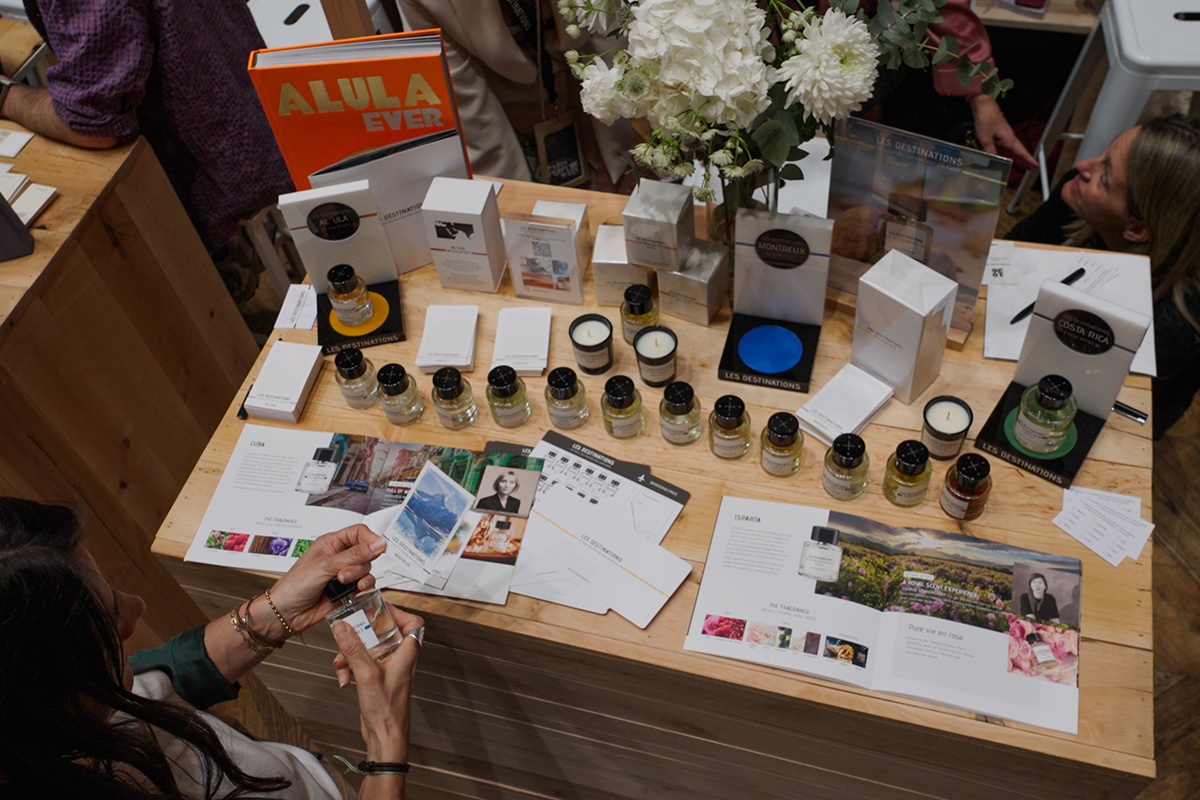
Concept-driven perfumery also emerged strongly through brands such as Tombstone Fragrances, which explored the phases of human life through dark accords, leather, mineral textures and dusty woods. Meanwhile, Les Destinations translated geographical locations into atmospheric experiences, avoiding clichés when capturing Oman through incense, dry woods, warm air and spatial elegance rather than relying heavily on oud.
Chinese brands, including Zhufu, Voice From The Sky and Bu Feng, also brought a rich narrative perspective to the fair, introducing compositions rooted in literature, philosophy, memory and regional ingredients.
 Packaging as Art
Packaging emerged as one of the defining conversations of the event. At Paris Perfume Week, presentation no longer felt secondary to fragrance itself. Instead, it became part of the creative core.
Parfumerie Particulière transformed packaging into collectable artwork through a collaboration with a tattoo artist. Mabelle O’Rama stood out for its lunar dust presentation, while Une Nuit Nomade impressed with discovery set packaging and artist-created bottle illustrations visible through the juice.
Innovation extended beyond bottles into illustrated blotters, tactile packaging, renewable travel formats and immersive scent experiences. One of the most memorable concepts came from L’Orchestre Parfum, where visitors wore headphones while discovering fragrances, allowing music and scent to interact simultaneously.
Perfume Beyond Smell
What ultimately stood out most in Paris was not one singular olfactive trend, but a movement toward emotional depth and clarity of identity. Houses such as Hiram Green and Pigmentarium continue to push fragrance into the realms of art, culture and sensory storytelling.
Perfume today is no longer only about smelling exceptional.
It is about feeling something exceptional.
Read this post in
Arabic