

Read this post in
 Arabic
Close your eyes.
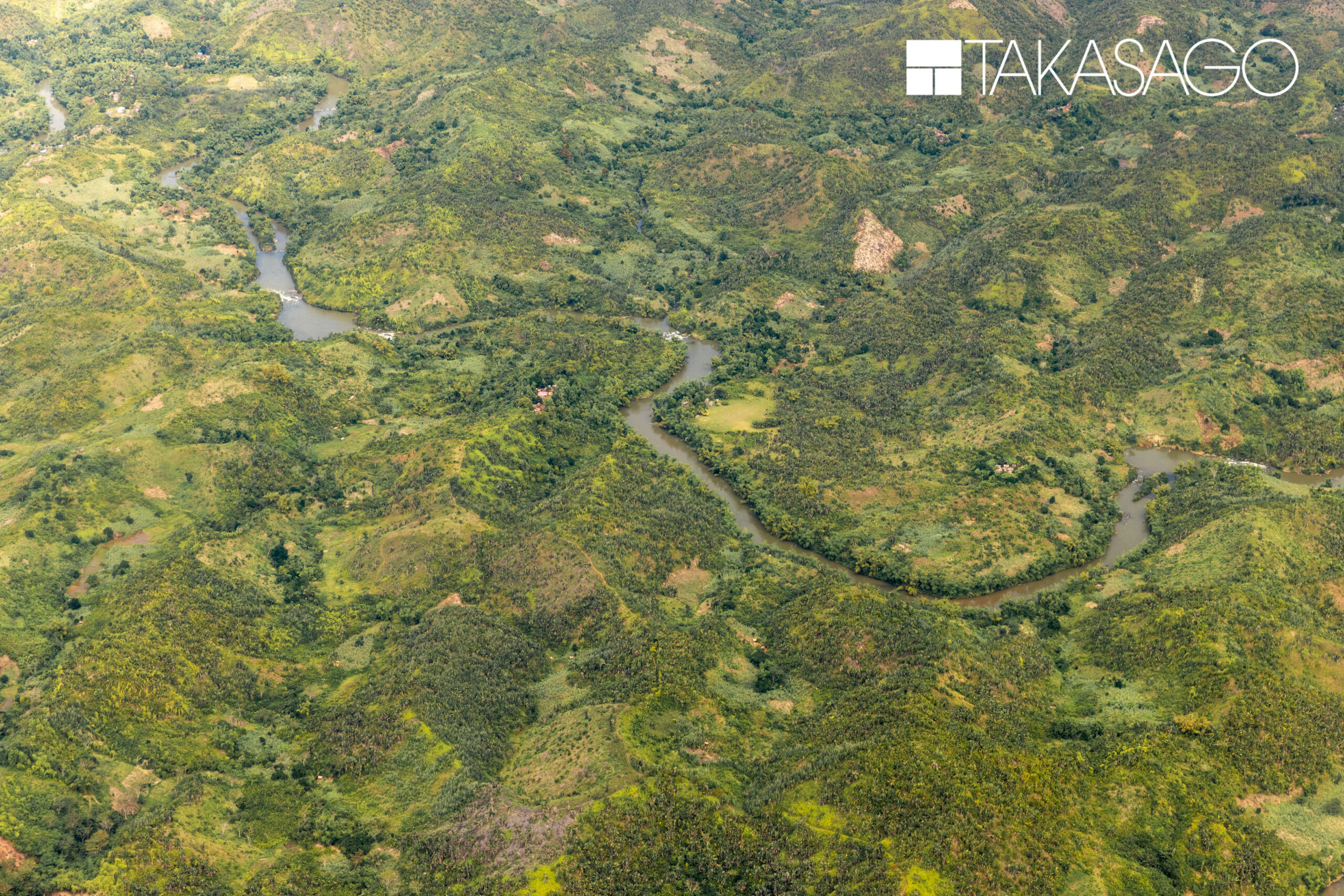
Imagine red earth roads stretching toward the horizon, the air thick with humidity and green shadows. You travel deep into the northeastern region of Mananara, in the heart of the SAVA belt, where one of perfumery’s most coveted raw materials begins its journey: Vanilla TaSuKI absolute.
For Stéphane Zwaans, Head of Global Sourcing at Takasago, whose work involves tracing ingredients back to their origins, sourcing is not procurement; it is pilgrimage. Reaching these plantations can mean hours on rugged tracks, passing villagers carrying heavy sacks of freshly harvested pods. Each step toward the source reveals a truth the fragrance world knows well: exceptional materials are never easy to obtain.
An Orchid’s Slow Alchemy
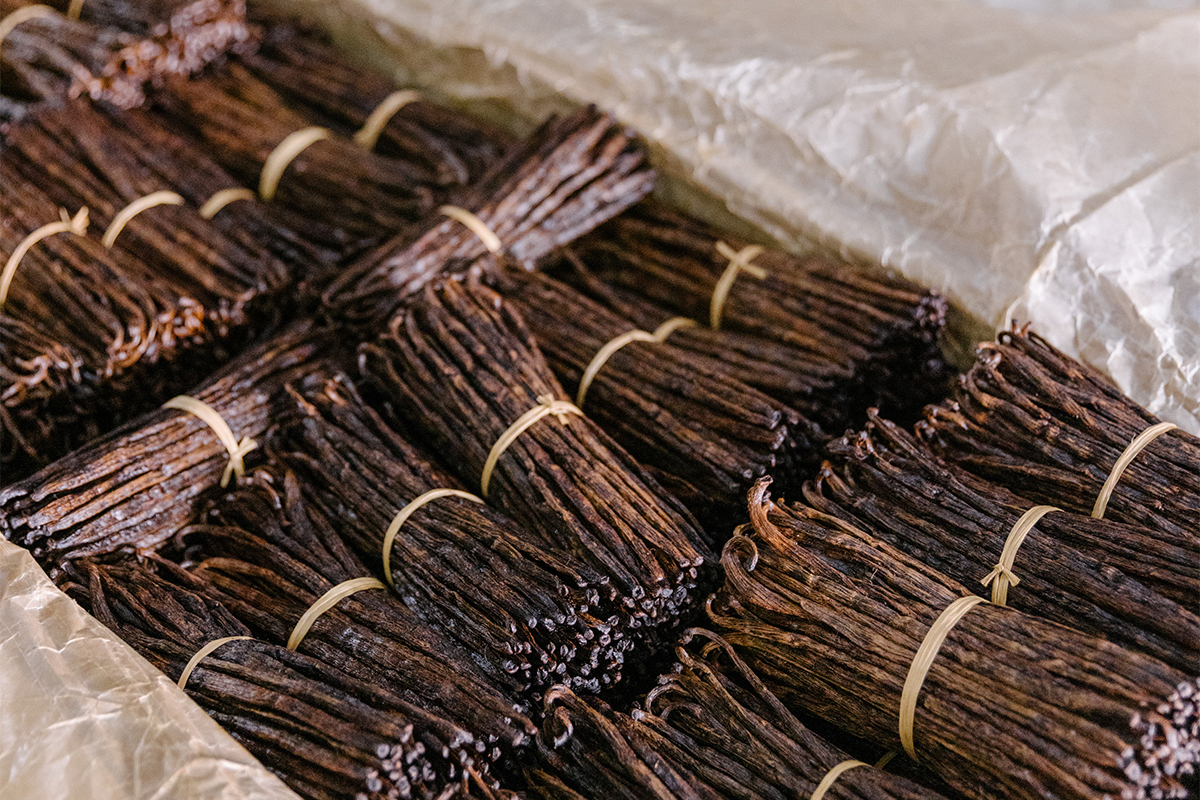
Vanilla is not merely harvested; it is cultivated through devotion. Each delicate orchid flower is pollinated by hand, a gesture repeated thousands of times across the flowering season. From that fleeting bloom, nine months must pass before a green pod reaches maturity. Harvesting typically takes place between June and August, when the beans are plump but still scentless.
What follows is a transformation. The pods undergo blanching, curing and a meticulous drying ritual alternating between sun and shade. Over as long as eight months, they darken, soften and develop their complex aromatic profile. Only then are they ready to yield their essence. This slow alchemy is what gives TaSuKI its distinction. Its absolute is produced from an exceptionally high concentration of carefully selected pods, chosen for both origin and quality. The result is a vanilla of rare density—deep, textured, almost tactile in its richness. Notes unfold in layers: warm balsamic sweetness, subtle smokiness, hints of dried fruit, and a lingering, addictive softness that seems to melt into skin.
 Vertical Integration, Total Traceability
Unlike conventional sourcing models, TaSuKI belongs to a strategic natural collection fully controlled at origin. Through its local subsidiary, Takasago oversees every stage, from cultivation to extraction, ensuring both consistency and transparency. Each lot is traceable back to its plantation, allowing perfumers to work with an ingredient whose profile remains stable across harvests.
Extraction itself is carried out locally, an approach that adds value within producing regions rather than exporting raw material alone. This philosophy supports employment, strengthens technical knowledge, and nurtures long-term relationships with growers. Certified under Fair for Life standards, the beans also reflect a commitment to ethical purchasing and community investment, including infrastructure such as solar panels, roads, and agricultural research initiatives.
For Takasago, sustainability is not a trend but a supply-chain principle: a long-term presence at the source ensures both ingredient security and shared prosperity.
A Perfumer’s Treasure
Captive and precious, Vanilla TaSuKI is reserved for select compositions, developed in close collaboration with perfumers. Its olfactory power lies not in sweetness alone, but in structure. It anchors accords, rounds sharp edges, and adds a velvety depth that can transform a formula’s emotional impact.
In creations such as Vanilla Powder by Matière Première, it acts as a hidden backbone, the quiet force that binds notes together and gives the fragrance its lingering soul.
More than an ingredient, TaSuKI is a narrative distilled: earth, climate, craftsmanship, and human patience captured in liquid form. It is Madagascar’s black gold, interpreted through science and respect, tradition and innovation.
And perhaps that is why perfumers speak of it in reverent tones. Not simply because it is rare. But because within every drop lies a journey, one that begins in a distant orchid bloom and ends, softly, on the skin.

Read this post in
Arabic








Add Comment